

The ‘forever chemicals’ crisis has been making headlines lately, with the recent settlement where Chemours, DuPont and Corteva agreed to pay more than $1 billion to settle lawsuits over PFAS contamination. But what are PFAS chemicals and why are they so dangerous? In this blog, we will dive into the world of PFAS and explain what they are, how Americans are exposed to them, and the health risks associated with PFAS contamination. We will also discuss the responsibilities of companies like DuPont, Chemours and Corteva in addressing PFAS contamination as well as the EPA’s role in regulating it. Additionally, we will share some tips on reducing exposure to these harmful chemicals and discuss other ongoing cases related to PFAS, PFOA, and PFOS contamination. Join us as we explore this important topic that affects us all.
The recent settlement by Chemours, DuPont, and Corteva highlights the growing concern around PFAS contamination and the need for stricter regulation. The widespread use of PFAS in everyday products such as food packaging, cookware, cosmetics, and textiles has led to PFAS pollution in water systems across the United States. Exposure to PFAS through drinking water or contaminated food packaging can lead to serious health effects on kidney function, immune system response, fertility, and cancer risks. The Environmental Protection Agency (EPA) has released a strategic roadmap for addressing PFAS contamination. Consumers can reduce their exposure to these forever chemicals by choosing PFAS-free alternatives for personal care products or dental floss and advocating for safer alternatives in packaging coatings or firefighting foam.
PFAS chemicals are a group of man-made substances that do not easily break down and can persist in the environment for decades. They are found in everyday products like teflon cookware and clothing. Exposure to PFAS has been linked to health problems including cancer and immune system disorders. While regulation and cleanup efforts are underway, these “forever chemicals” remain a significant concern for public health and the environment.
PFAS contamination poses significant health risks like cancer and reproductive issues. These forever chemicals are widely present in everyday products such as textiles and coatings that are water-resistant or stain-repellent. The presence of PFAS in drinking water and food packaging has increased concerns about human exposure. The Environmental Protection Agency (EPA) has been working to minimize the use of PFAS in consumer products due to their toxicity. Contamination caused by widespread use of PFAS pollution fuels this public health concern.
PFAS are synthetic chemicals found in common items like non-stick cookware and firefighting products, leading to exposure through contaminated water, food, and air. Exposure has been linked to health problems such as cancer and reproductive issues. Lack of regulation has led to widespread contamination, but efforts to phase out PFAS use are underway.
PFAS are chemicals used for decades in various products, and companies like Chemours, DuPont, and Corteva are accused of contaminating water sources with them. PFAS contamination affects many US communities, leading to health concerns and environmental damage. States and local governments hold these companies accountable, but a federal approach may be necessary to address the crisis effectively.
Chemours, DuPont and Corteva recently settled the lawsuits regarding polyfluoroalkyl substances or PFAS contamination by agreeing to pay a whopping $1 billion. The companies’ decision includes a provision for funds allocation towards cleaning up contaminated sites and compensating affected communities. Industrial sites or military bases are major sources of PFAS pollution that have severely impacted many communities throughout the US. Regulating and reducing the use of toxic chemicals like PFAS in everyday products like consumer goods is crucial for protecting human health and safeguarding our environment.
Chemours, DuPont, and Corteva will pay over $1 billion to settle thousands of lawsuits related to PFAS contamination. These persistent chemicals have been linked to various health issues, underscoring the need for stronger regulations to protect public health and the environment.
Criminal charges may be necessary to ensure companies take responsibility for knowingly contaminating the environment and human body with PFAS, a group of harmful chemicals linked to several health issues. The recent settlement between Chemours, DuPont, and Corteva highlights the need for stricter regulations on PFAS use and disposal to prevent further contamination.
Although the Environmental Protection Agency (EPA) has issued guidelines on addressing PFAS contamination in drinking water systems and other sources of contamination like packaging or teflon cookware containing polyfluoroalkyl substances (PFAS), critics argue that these guidelines are not sufficient in protecting public health. Advocates continue to call for enforceable standards and holding polluting companies accountable for their actions regarding PFAS exposure. While the recent billion-dollar settlement by companies like Chemours and DuPont is a step forward in addressing the widespread use of these forever chemicals and their harmful effects on human health – such as kidney damage or immune system disorders – it also highlights the need for stronger regulations at both industry and government levels.
PFAS are harmful chemicals found in food, water, and consumer goods. To lower exposure, use certified water filters and avoid non-stick cookware and fast-food packaging with PFAS. Advocating for stricter regulations is also essential.
PFAS contamination is widespread in US water supplies and soil. Notable cases include Hoosick Falls, New York, and Camp Lejeune, North Carolina. Health risks of PFAS exposure include cancer, thyroid disease, and developmental issues. The EPA has set a lifetime health advisory level for two PFAS chemicals but more research is needed to understand the full impact on public health.
PFAS are harmful chemicals with no federal regulation in products or manufacturing processes. States have barley taken action, but a need for more comprehensive federal regulation remains. The recent settlement by Chemours, DuPont, and Corteva emphasizes the necessity for accountability as concerns about PFAS contamination grow.
PFAS contamination is a serious issue that has affected the health and safety of many communities across the country. The settlements made by DuPont, Chemours, and Corteva are a step in the right direction towards holding corporations accountable for their actions and providing justice to those impacted by PFAS contamination. However, it’s crucial to continue advocating for stronger regulations and more comprehensive solutions in addressing this crisis. If you want to stay updated on the latest developments on PFAS regulation and other environmental issues, sign up for our newsletter today.
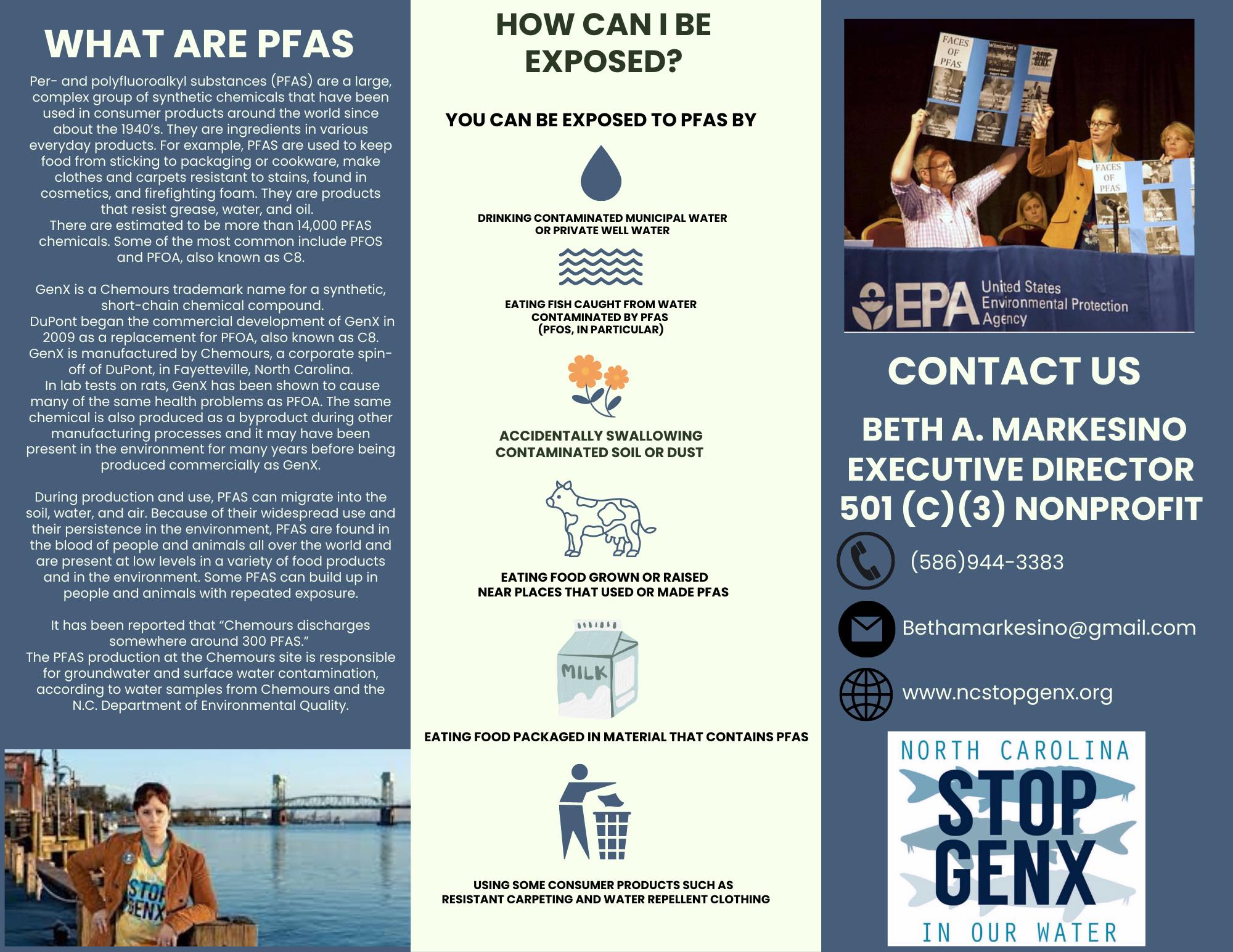
Please share the attached brochures with your friends, family, and loved ones.
Trust this device for 30 days