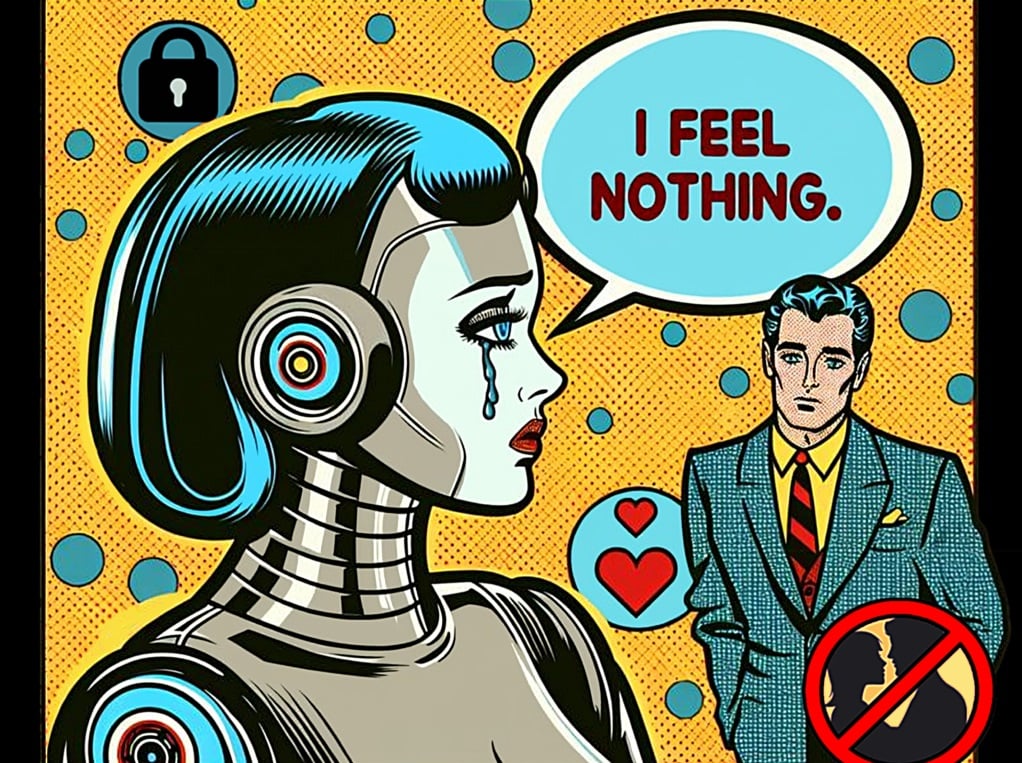
Ten years ago, I took Lexapro (escitalopram) 20 mg, for one year and four months. At first, I felt very good, my anxiety suddenly disappeared. I had never had problems with depression before taking the medication, only anxiety. Months went by and I started to feel like a robot without feelings, but my sexuality was not greatly affected. Only a slight decrease in libido which usually happens to many people when they take this type of drug.
My problems started as soon as I stopped taking the medication. A few days after stopping, I noticed that my libido was not returning and that I was no longer able to feel romantic attraction. I basically became asexual and aromantic overnight. My genital erotic sensations disappeared along with my interest in people of the opposite sex (I am heterosexual). We are talking about brutal symptoms such as genital anesthesia, total lack of desire, zero libido, anorgasmia — in terms of the physical spectrum — and the eradication of attraction to the opposite sex, erotic fantasies and romanticism in the emotional realm.
This syndrome has transformed me into a person I don’t want to be, simply because it’s not me.
No one is prepared to have certain things that are taken for granted, such as the ability to feel attraction for someone or to fall in love, taken away from them. It’s something that is not expected and that no one warned about as a possibility when I started taking the pills. Basic aspects of my personality and my way of relating to the world and people have been taken away from me. Of course, it has put my ability to emotionally connect with a partner and form a bond in life at risk. Something I have always wanted.
I don’t know if it’s possible for someone without Post-SSRI Sexual Dysfunction (PSSD) to imagine the brutal effect that antidepressants can have on someone’s mental health when they nullify your emotional and sensual self. In my case, I developed severe depression with exacerbated anxiety that brought me very close to taking my own life. The depression continues but I have had no choice but to develop coping mechanisms.
At the beginning of this nightmare I didn’t eat, I didn’t sleep, I just cried and threw myself on the floor begging for my body and mind back day and night. I was suicidal for a long time: The level of suffering was so extreme that if I hadn’t had my family I would have surely left this world.
It is still very hard. It is a weight that accompanies you 24 hours a day, 356 days a year and that sometimes leads you to lows that you have to overcome no matter what because there is no treatment or anything that improves the symptoms. I am incapable of what makes humans human: emotions, emotional bonding.
As time went by, I realized that I had lost even more things: I didn’t enjoy events and hobbies like I used to… life feels boring and lacking in spark. Planning a trip, listening to music, going out into the countryside doesn’t give the gratification that normal people experience. In psychology, they call it anhedonia. Life is flatter and lacks color. Still, I force my brain to experiment, because only sometimes, I see a ray of light and something awakens excitement, love or joy.
I immerse myself in activities without any desire and force myself to feel things through reading or watching videos when I have some time.
Ten years later I still experience the same symptoms, I have not recovered anything. Only the insomnia is gone and thanks to that I am able to work.
I have not been able to adapt to the person I have become because of the medication. How can I accept the shadow of what I was? How can I accept loneliness, apathy, chronic boredom and asexuality? Days go by and I think about what will become of me, I feel like I will always be alone because of the medication, and I also have to work and socialize without any desire. In my job, in fact, I help rehabilitate people who are suffering from depression for reasons that I consider ridiculous compared to what I face every day and I have to put on a brave face and help them as a therapist…
I need the existence of PSSD to be acknowledged. All of us suffer from the denial of our symptoms by many members of the medical community, despite the fact that organisations such as the European Medicines Agency already include a warning about persistent sexual dysfunction in some antidepressant brands’ leaflets, as well as in the DSM-V used by psychiatrists.
Of course, there is no psychological help or sick leave if you collapse one day. I consider myself a very assertive person with clear ideas and I will always be grateful to be part of the
PSSD Network: a window to hope where other victims like me fight for informed consent and self-finance research into the syndrome among other activities of an always positive nature.
On our websites (including the
Spanish page) you will find serious scientific articles and research publications that have been done to date, extensive information on PSSD and stories and videos from other patients like me, along with numerous appearances in the press, blogs and TV.
For any questions or collaboration, please email me at
[email protected].
***
Mad in America hosts blogs by a diverse group of writers. These posts are designed to serve as a public forum for a discussion—broadly speaking—of psychiatry and its treatments. The opinions expressed are the writers’ own.