
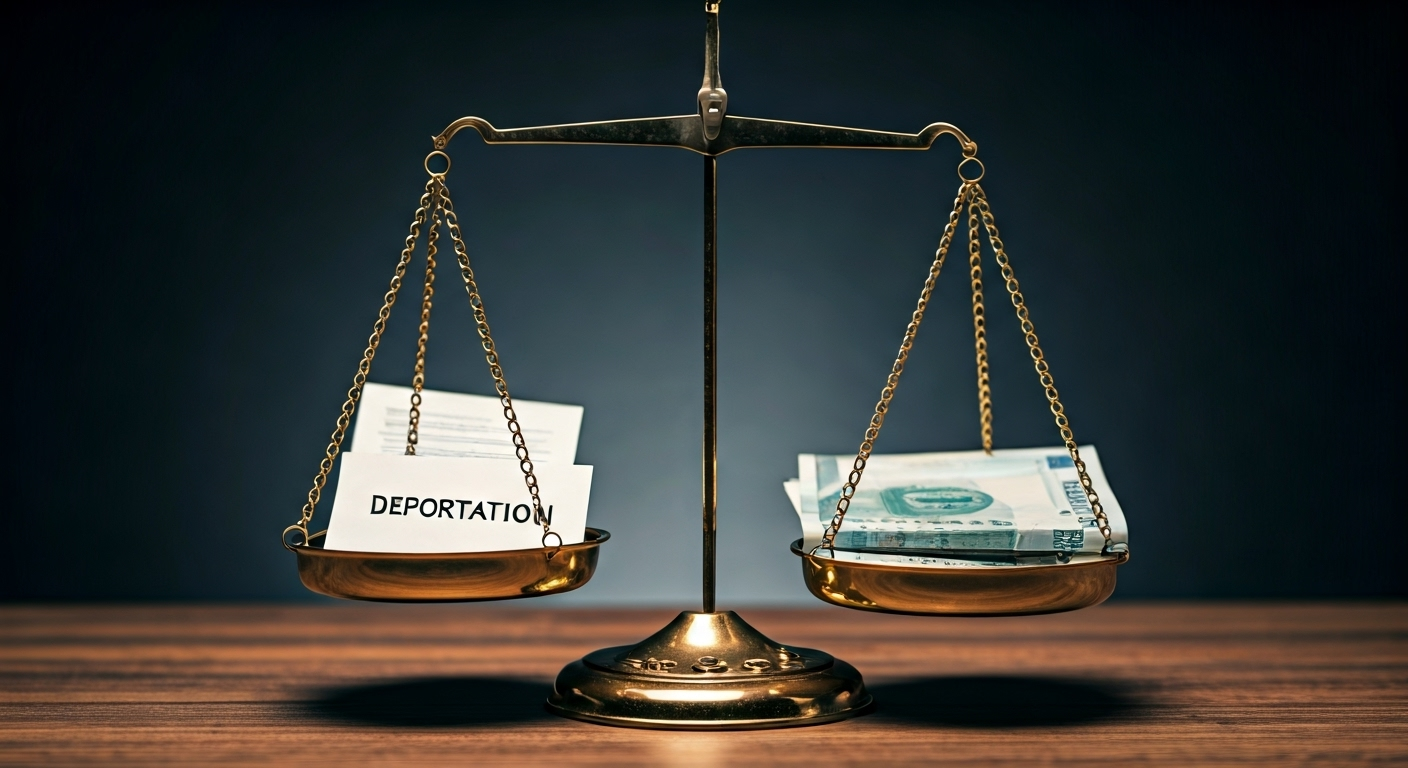

Public policy choices in the United States can have strong money and social effects. The Trump administration wanted to start mass deportations of undocumented immigrants. This move was likely to cost billions and make life hard for many people. At the same time, there was a different plan to get rid of medical debt. A lot of people in the United States have this kind of debt. If it was erased, it could change the way the country moves forward.
Both ideas give different ways to use the national resources in the United States. This blog looks at these two plans. It talks about how much money each one will need, what can happen to the economy, and what each plan could mean for people. The goal is to help you see how complex these plans from the United States can be.

The United States has had trouble with immigration enforcement for many years. When there are plans to send out over 11 million undocumented immigrants, the country needs more law enforcement, more detention facilities, and more removal proceedings. This brings a lot of cost. It also creates tough problems to fix. These things affect local communities in many ways.
Clearing medical debt is a new healthcare idea. It aims to make life easier for people in the United States. The government could spend money on this plan, and it may help many people get out of debt. Both plans change how people in the United States talk about public issues. These ideas also make us think about how we use our resources.
Mass deportations in the United States happen when the country tries to remove the entire undocumented population. A mass deportation effort means that many people lose their legal status, including those who have temporary protected status or are part of childhood arrivals programs. Immigration enforcement rules push for this. But, when the United States does this, it creates big economic problems and causes trouble for a lot of people.
Medical debt happens when people in the United States cannot pay for the healthcare they get. To remove this debt, the government would need to pay these unpaid bills inside the healthcare system. Unlike mass deportations, clearing this debt helps people get rid of money worries and can give them more spending power.
The big difference between the two comes from what they want to do. Mass deportations focus on following the law by using immigration enforcement. Medical debt erasure aims to make things better for Americans by helping with money problems.
Deporting the entire undocumented population and people with temporary protected status can break up families and change the economy. On the other hand, removing medical debt tries to fix problems with how healthcare costs are handled.
Mass deportations started to rise when the Trump administration was in power. The Department of Homeland Security took big steps to increase how many people it deported. In the past, this was mostly aimed at people who had criminal records. But in recent years, some people have pushed for all undocumented immigrants to be deported, not just those with criminal records. This has led to more court hearings. Many legal challenges, especially in immigration courts, are still going on and have not been solved.
Healthcare reform has not moved forward in a simple way, especially with medical debt. Some people say wiping out this debt can help make the healthcare system better. They think this will stop many in the US from losing all their money because of medical bills. This is not like how most rules work now.
Both mass deportations and healthcare reform start strong debate. People talk about how the government and others use things like detention beds. Mass deportations are hard for law enforcement. They may have to work more and even use military-like ways. Healthcare reform changes how the government spends money. It also faces its own legal challenges.

The cost to send all 11 million undocumented immigrants out of the country is very high. It would be more than $150 billion to pay for detention facilities, for buses or other ways to move people, and for all legal work. There will also be more money spent on building new detention camps and on making law enforcement bigger and stronger.
On top of this, keeping the new law enforcement levels high will make the government spend around $15 billion each year. These cost estimates make people ask if this much spending can be done and what it means for the country’s spending plans. You can read more about this in the next part.
The call for mass deportation and mass detention needs a lot of money from the federal government. Each time there is a deportation effort, it begins with an arrest by Immigration and Customs Enforcement (ICE). After people are taken in, they have to stay in special buildings. Then, they are moved out using transportation that the Department of Homeland Security controls.
| Process | Estimated Costs |
|---|---|
| Arrest | $1,200 per person |
| Detention | $57,378 annually per bed |
| Removal (Transportation) | $14,000 per deportation |
If you look at these costs for 11 million people, you can see how hard and costly it will be. They would have to hold many more people in detention. There would need to be more vehicles and ways to move people out of the country. ICE would need to hire a lot more agents, and these agents must work closely with law enforcement and local law enforcement. All this would make spending go up fast. Mass deportation would cost much more than what is in the budget now and would cause big problems for how things are done.
Removing undocumented immigrants would greatly hurt agriculture, construction, and hospitality. These jobs count on this labor force, and there would be more border enforcement if these actions go forward. Unauthorized immigrants are 4.8% of the U.S. workforce. They help keep economic output steady.
Labor shortages are set to get a lot worse. This will hit jobs that are already hard to fill, like farming. When this happens, there will be less food or goods produced. So, there will be higher prices for all of us. If people who are legally working under TPS and DACA get sent out, that is bad for everyone. There will be more people without work and the government will get less tax revenues.
Some experts say that GDP may go down by as much as 12% over ten years. This shows just how serious the problem can be for the whole economy if undocumented workers are sent out of the country.
Getting rid of medical debt helps both people and the country. Today, many people in America find it hard to pay for healthcare. This makes things tough for them. If we remove these money problems, more people do not need to use government help as much.
If the government chooses to pay off medical debt, it can clear these bills more quickly and in a better way. When people do not have to pay high medical bills, they have more money to use. They can spend it on other things. This helps economic output grow.
Getting rid of medical debt fits with the plans that want to make life better for people. This is part of new ideas to help healthcare for everyone. It also helps the country do well in the years that come.
Getting rid of medical debt would need the government to use some money at the start. In the short term, it could take billions to pay off all that debt. This can have a big effect on tax revenues and the yearly budget. There could also be legal challenges. So, the plan needs to be made with care.
But when this happens, more money will be spent on solving old problems in the healthcare system. This will also help the system work better. As time goes by, and people have more spending power, this can help cover the costs.
This could be the first time something like this is done to deal with the country’s debt. It may make people look for new ways to handle money better. This way, they can keep things running well in the future.
Over time, getting rid of medical debt can make a big difference in how healthcare and homes work. When unpaid bills go down, providers do not have to spend as much money. This lets them use their money in other good ways across the system.
When people do not have to pay big medical bills, they have more money to spend. They can use it to get what they need and help other businesses do well. This gives a lift to economic output. It also means there is less need for social security.
If higher costs from weak spots in the system are fixed, healthcare will be more fair for everyone. People will feel better about medical care and trust it more. Over time, these changes will be good for the economy and for society.
Mass deportation breaks up families. It also hurts the people in their local areas. When the people have to go, many jobs are left empty. This leads to labor shortages in some work areas.
On the other hand, wiping out medical debt helps people feel more safe about their money. This is a big change compared to last year. It lets people spend a bit more, and that is good for the economy.
When people are sent out of the country, families are often split apart. The place where the immigrants live also feels stressed. But when the medical debt is wiped out, the community starts to feel stronger. People come together more. If you look at both choices, you can see how they each shape life in America. Both also change the economy in their own ways.
Mass deportations can make families feel very stressed. This can also cause problems in local communities.
The Great Recession showed us how big tough times can change everything for people. Mass deportations also hit local communities hard. They make money problems even worse for everyone there. When law enforcement comes to important places, it hurts how safe people feel. It also makes the bonds between people in these groups weaker.
Mass deportations, when used in a mass deportation plan, can change the national economy a lot. If millions of undocumented workers go, there are not enough people to do many jobs. This makes the economic output drop. It can also make it harder for people who were born here to get or keep work. Over some time, this can make prices at stores go up for everyone.
When many workers leave the country, there are not enough people to fill all the jobs. This makes it hard for companies to make what people need. Undocumented workers help a lot to do the daily jobs. So, when they are not there, it has a big effect on the economy.
If leaders do not think a lot about how mass deportations can hurt human rights over time, these big problems may get even worse. Businesses and families may feel the harm from this. It is important to have policy plans that look at all these issues and use new ideas to help everyone.
When you look at how much things cost, using money to pay off medical debt might be a better idea for the country. A plan like this can help close the unfair gaps that some people face in society. It can also do more to lift economic output.
If there are ways to save money that also match what people want, these can give back more. By looking at how money and other things are used, those in charge can find fresh ways to fix problems. This can help people and jobs.
Looking at mass deportation, it shows that the government gets very little money back and spends a lot instead. When the U.S. deports undocumented immigrants, it uses a lot of resources. The average cost for each person is high. This choice does not really help the economy.
Taking away medical debt does a lot of good for people. When this happens, people can keep more money to use for their needs. This is good for many parts of the country. If the government covers medical debt, it helps us feel together and keeps things steady where we live.
It is a good idea for the country to spend money on things like healthcare reform. This gives the best return to everyone. It makes more sense to have the military forces or the national guard do helpful work instead. This way, the government makes sure the money helps all people more.
People feel different ways about mass deportation and wiping out medical debt. Some support stronger immigration enforcement. But, there is a lot of disagreement from immigrant communities and local governments. A big part of this is about their right to due process.
Many people in the US want to erase medical debt. They feel it helps people fast. Every rule or idea about this has some problems. A lot of these problems are because of advocacy groups and law enforcement agencies.
To know if these ideas can be good, you need to see what people feel and if the government will say yes. Doing things that help all people is better than putting work into actions like deportation. Deportation can split people apart and make life harder for them. It is better to choose ways that bring people together and make things good for everyone.
To sum up, when you look at mass deportation and medical debt erasure in the United States, you can see they have big effects on people and money matters. Mass deportation costs the federal government a lot. It can also hurt the job market. On the other hand, taking away medical debt helps many people get healthcare. This could bring good changes over time for people and for the economy.
These choices are about more than just money. They also touch the lives of families and the whole community. It is very important to look at both plans by seeing how much they cost and what value they bring. You should also know what people in the United States think about these plans. Doing this can help us find ways to build a fairer and healthier country for everyone. If you want to know more or talk about it, feel free to reach out anytime.
Mass deportation would cost about $150 billion. This number does not include all the money spent every single year on enforcement, which is over $15 billion. The Department of Homeland Security finds it hard to manage all the moving and detention costs. There are also big problems with handling removal proceedings for the entire undocumented population.
Paying off medical debt could clear billions of dollars in unpaid bills. The government spends tens of billions on this each year. If there are some changes in healthcare, it could help people who have money problems. This could also fix some issues that have come up in recent years.
Erasing medical debt helps people get more spending power. So, they have more money to spend on other things. This can make economic output better for everyone. It may help fix problems from the great recession. When people are not as worried about debt, they can use their money on what they want and need. This will help businesses in the country. If businesses do well, growth goes up for the nation.
Mass deportation can lead to labor shortages. Many important industries may lose workers. This includes people that the proponents of mass deportation want to remove, who do not have legal work authorization. It can be hard for a business to work well with less staff. Local communities may feel people get split apart. The economy might also face new trouble as the market is shaken and less work is done. All of this can hurt people and their local communities.
Different countries handle immigration enforcement and the immigration court system in their own ways when it comes to medical debt. Some countries set strict rules and make changes about who can have legal status. Others focus more on making healthcare better for people who live there. These policy changes show what each country sees as most important and what resources they can use.