

Terrorism creates terrorists by fostering an environment of fear, radicalization, and despair. Factors such as social injustice, political oppression, and economic instability can push individuals towards extremism. Addressing these root causes is essential to breaking the cycle and preventing future acts of violence related to terrorism.
Political violence can lead to terrorism. When there is political violence, people feel scared and do not know what will happen next. This can make some people start thinking in more extreme ways. After some time, political violence can cause new terrorist groups to form and grow.
The middle east is a place where many groups want different things. This often causes fighting in the area. When there is trouble, it can lead to even more violence. Over time, these problems can help make more terrorists and bring more harm to the people who live in the middle east.
The cycle of terrorism can go on. When states do not follow human rights, it can make people feel angry and upset. These actions can push some people to turn to violence. With time, this helps make new terrorists.
US foreign policy often tries to spread democracy and keep the world steady, providing logistical support in various regions. But over the years, the goal of making things better has sometimes led to new problems, like an increase in terrorism. A clear example is when the US went into Iraq. The purpose was to find and get rid of dangerous weapons. But what happened instead was a rise in fights between groups and the start of new extremist teams.
In the Middle East, helping certain rebel groups has also gone wrong. It has at times made it easier for terrorism to grow, not stop. These choices show how foreign policy and what happens in areas like the United Arab Emirates are tied together. Plans to bring peace can, without meaning to, end up causing more fights.
Because of this, it is important to think hard about how acts of terrorism make more people become terrorists, with numerous case studies illustrating this issue. When people feel anger or feel attacked by foreign forces, it is easy for them to join extremist groups. This is why there has to be care in how the US acts, especially in places like the Middle East.
The United Nations says that stopping terrorism is not just about using the army or security forces. The group knows that acts of terrorism can make people feel scared, lose trust in each other, and even want to fight back. This can bring even more hurt and could lead new people to join or support those who carry out terrorist acts. The United Nations believes that to stop this, there needs to be wider plans and steps involving the private sector beyond just responding every time there are acts of terrorism.
These strategies try to deal with the real political, social, and money problems that can make people more open to extreme beliefs. They can help make the government work for everyone. They support human rights and work to give more people a chance to learn and find jobs. These actions, supported by the United Nations Office, help build communities that can stay strong when tough things come up. The UN also supports talking between different faiths and works to stop hate speech and unfair treatment against people. This is important because feeling left out or pushed aside can lead to people taking up extreme views.
Stopping terrorism also means having programs that reach people early. There are youth engagement plans and mental health services that play a crucial role. These are important to help find and support people who might get pulled into violent extremism before things get out of hand.
Working together with other countries and media outlets is very important in this fight. Terrorism does not stop at borders. That’s why it is key to share information, help build strong systems in places that need it, and make sure laws work together. The UN says these steps are part of their way to handle violent extremism and help keep people safe.
The United Nations Security Council works on both the problems and the reasons behind terrorism. It does this by using full policies that bring peace, tolerance, and give every person a chance to grow. With these steps, the United Nations wants to make extremist groups less appealing. The goal is to stop new waves of violence from starting.
Terrorism is on the rise in many parts of the world. Because of this, international and institutional responses to national security concerns are now more important. Countries are coming together to fight these threats as one. A lot of nations are now working with groups like the United Nations, NATO, and different regional alliances. They do this to improve safety steps and share important information. Working together in these ways helps countries make plans that focus on more than just military action. For example, they work on stopping people from becoming radical and help in their communities.
Groups like INTERPOL and the Financial Action Task Force (FATF) play a big part as well. These groups track money used by terrorists, including organizations like Jemaah Islamiyah, and help to break up their support systems. The world’s answer to terrorism has also changed. Now, it is important for countries to find the main reasons why terrorism happens. They do this by trying to end poverty, fight social injustice, and solve political problems. The United Nations and others support this with development help and other peaceful plans.
This kind of approach to fighting terrorism is deep and wide. It is not just about stopping attackers right away. It also looks to stop the cycle where each act of terrorism makes more terrorists. Nations, including the European Union, focus on the real reasons, so the chance of more violence goes down. In the end, everyone wants a safer world for all of us.
The cycle of how people feel around terrorism is hard to break. When the state uses military force, more law enforcement, or more watching of people to stop terrorist threats and terror, it can sometimes make the problem worse. These actions can make some in the community feel left out or feel like the government is against them. A lot of people in these groups feel these things are not just security moves but target them.
Because of this, some people feel so upset that they listen to what extremist groups say. These groups use stories of people being hurt or wronged to get new people to join them. In the end, as the government uses more and more strict counter-terror actions to address potential threats, it can by accident make the violence keep going. New terrorists can appear because they feel they have to push back against what they see as unfair actions against them. This is a big challenge for those who want to stop terrorism and make things better for all people.
Many young people feel left out because of many things that are happening in society, the economy, and politics. When they feel they do not get a fair chance in life or feel pushed to the side by others, it can make them feel alone. This feeling of being pushed away can get even worse if there is no job, not enough schooling, or unfair things happening around them. Some feel so left out that they choose to follow groups with extreme views. These groups often make them feel strong and give them something to be part of.
These extreme ideas often make people feel that using violence is right. They say it’s the only way to feel in control or fix problems. Because of all this, it’s very important to work on the root causes that make young people feel left out. If these problems do not get fixed, the study of terrorism indicates that more and more young people may go after these extreme ideas and that can lead to more bad things, like terrorism.
The cycle of violence from terrorist acts, including attacks by suicide bombers, is hard to stop. When people or groups are hurt by these actions, they feel a lot of fear and pain. This pain and fear can stay with them for a long time. Many feel that there is no fairness after such things happen. Some feel alone, weak, or pushed aside. This makes it easy for them to get pulled in by those who want to do more harm. Extremist groups often know how to use these feelings. They use propaganda and social networks to find new people. They tell them that joining their side will give them power or help them feel like they belong. Some want revenge and feel this is a way to get it.
Radicalization does not happen fast. It often starts when someone sees extreme ideas. This can happen on the internet or in real life. Many times, family, friends, or important people in a community can share these ideas. Today, social media and the internet make it much easier for terrorist organization radical groups to share messages with people all over the world. They can also connect with those who feel lost and are looking for meaning.
As people start to believe in more extreme ideas, such as those propagated by groups like Boko Haram, they can start to think that using violence is okay. They may feel it is a good way to get back at others they feel are against them or to reach their own goals. This kind of thinking helps keep terrorist acts going. Every new attack, including those by Boko Haram, hurts people right away. It also makes it more likely that others might do the same thing, either because they want payback or because they share the same beliefs.
Breaking this cycle takes a strong plan that looks at both quick safety needs and the deeper reasons people turn to extreme ideas. The steps we take can help many people, promoting international cooperation. These include working with the community, setting up education plans that help young people think for themselves and learn to accept others, giving mental health support to those hurt by violence, and starting strong counter-messaging work to fight against harmful ideas.
In short, the cycle of violence that comes from terrorism is not simple. There are many parts to it. To stop this, the government, civil society, international organizations, teachers, and people in the community need to work together. They have to look at why the violence starts. They also need to help so that kids and others do not get trapped in the same actions in the future.
A systemic perspective (or systems approach) is when you see social and political problems as part of a big, connected system. The problems are not just because of one or two “bad actors.” They come from the way all the parts work together as a whole.
In this context, how you see things moves the attention away from just the acts of violence. It helps people look at the deeper ways a country works, including the perspectives of government officials. This includes the laws, the rules about money, and how groups act with each other. All of these things lead to what happens in the end.
From this viewpoint, what the state calls “counter-terrorism” is often seen as a way to protect the status quo. Because of this, both sides feel they need to answer force with more force, particularly in regions like New York. Each group thinks this is the only way they can look after what they have. In the end, this makes more people feel hurt and keeps the cycle going.
There is often a close link between state terrorism and non-state terrorism. The first one is when a government uses violence against people, while the second is not done by a government. When a state uses terror, like killings, torture, or making people disappear, it can make people feel scared or angry. This can lead people to feel radicalized and want to fight back against terror attacks. It often sparks new non-state terror groups or leads to more attacks. In this way, both state and non-state terror can drive each other and keep the problem going.
The cycle of violence often perpetuated by terrorism creates an environment where terrorist attacks can breed further extremism, as each act fosters resentment and radicalization among affected communities
The concept that terrorism creates terrorists is often illustrated by examining the patterns following a group’s first attack, which can lead to cycles of violence and radicalization that perpetuate conflict.
The rise of the Islamic State has shown that terrorism often breeds more terrorism, as their violent ideology and tactics create a cycle of radicalization and conflict that perpetuates the very threats they claim to combat.
The cycle of violence perpetuated by terrorism can lead to an increase in suicide attacks, as individuals may feel compelled to respond to perceived injustices with extreme measures
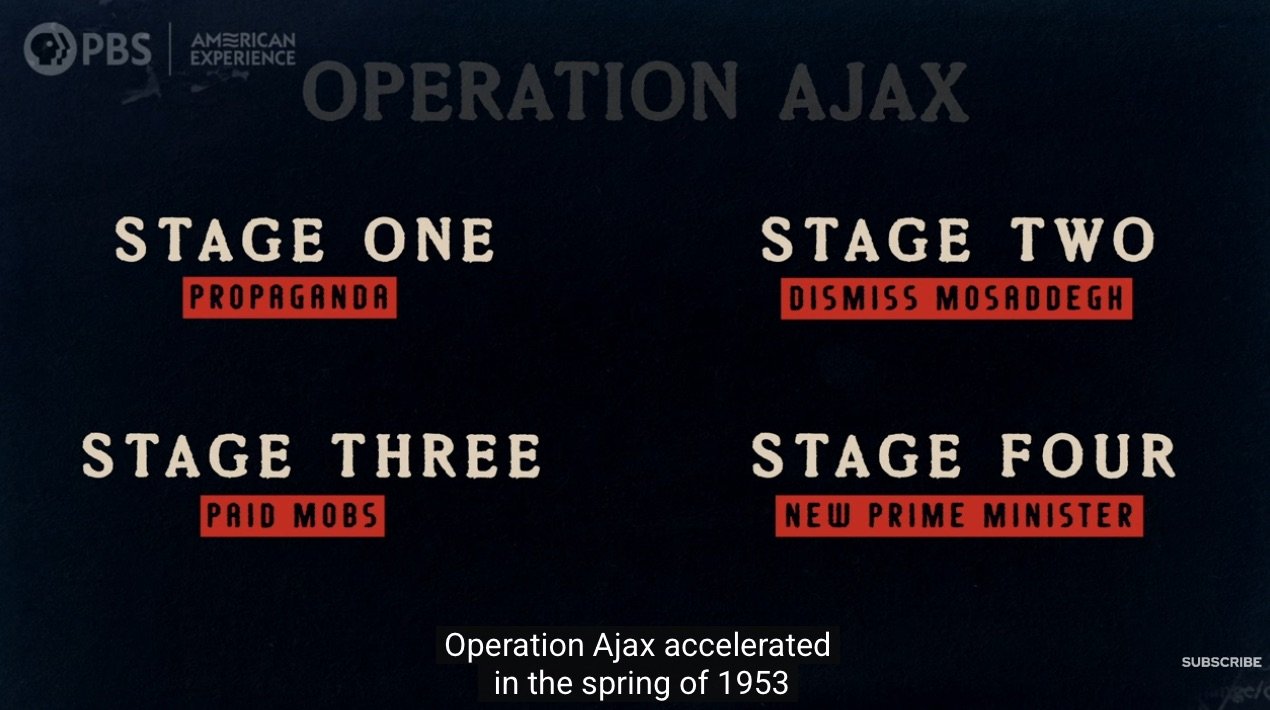
The united states and the united kingdom worked together to take down the Iranian government on August 19, 1953. A CIA agent called Kermit Roosevelt led the plan. This was known as “Operation Ajax.” They removed the country’s elected leader, Prime Minister Mohammad Mosaddegh, with support from English language experts who analyzed the political landscape.
Now, some terrorist groups use generative AI tools. These people spread their ideas and try to get more members on social media. They do this by making fake videos and sharing propaganda that looks real. With these tools, they play a significant role in reaching more people at one time. The messages feel real and can make people from many places join them even faster.
Many people see the 1953 coup as a big turning point in Latin America. It made a lot of anger in Iran toward the U.S. This event was part of what led to the 1979 Islamic Revolution.
Documents that were made public show that the CIA gave “suitcases full of cash” and played mind games to make Mosaddegh’s government weak.