

House hunting can be thrilling, but for individuals with mobility, sensory, or cognitive disabilities, the process often brings unique challenges. True accessibility goes beyond ramps and wide doorways—it’s about creating a safe, comfortable, and empowering living environment. This guide helps you understand what to look for, how to evaluate properties effectively, and where to find trusted professionals and resources to ensure your new home supports your independence, comfort, and long-term well-being.
____________________________________________________________________________
Action Items
Key Considerations When House Hunting
1. Understand What “Accessible” Really Means
Accessibility isn’t one-size-fits-all. It may mean no-step entrances for one person or visual contrast for someone with low vision. Check guidance from the ADA Standards for Accessible Design for baseline definitions, and adapt based on your unique needs.
2. Location and Community Resources
A truly accessible home also depends on its surroundings:
You can research accessible community indices at AARP Livable Communities.
3. Layout and Physical Access
 Zero-step entrance or ramp access
Hallways and doorways at least 36 inches wide
Open floor plan with easy wheelchair maneuverability
Lever-style handles instead of round knobs
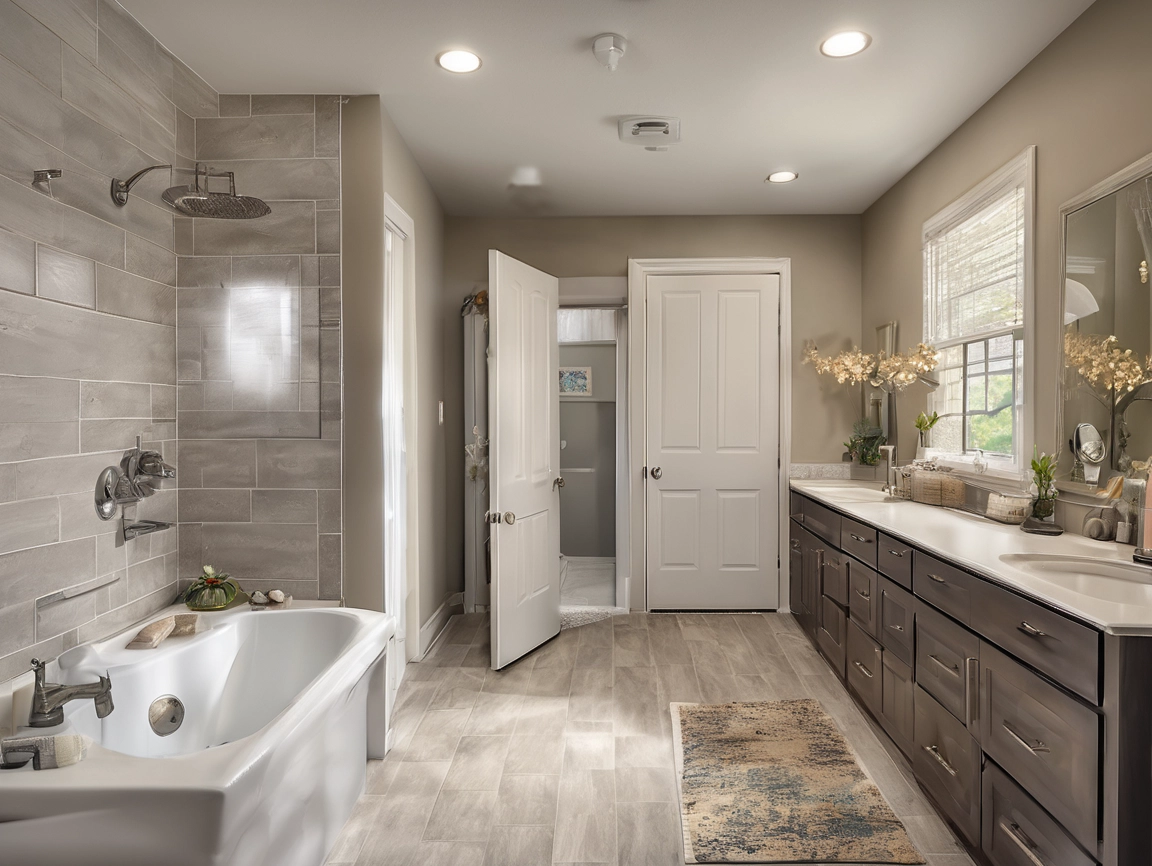
Roll-in shower and grab bars in bathrooms
Light switches and outlets at accessible heights
Slip-resistant flooring with smooth transitions
Adequate space under sinks and counters for seated use
The National Association of Home Builders’ Aging-in-Place Checklist is another excellent companion resource.
____________________________________________________________________________
Checklist: What to Evaluate Before You Commit
| Feature | What to Look For | Why It Matters |
Entryway | No steps, wide doors | Prevents barriers for wheelchairs/walkers |
| Flooring | Slip-resistant, smooth transitions | Reduces fall risk |
| Lighting | Bright, even illumination | Improves visibility |
| Bathrooms | Roll-in shower, grab bars | Safety and independence |
| Kitchen | Lower counters, pull-out shelves | Daily usability |
| Technology | Smart locks, voice-activated systems | Enhances autonomy |
____________________________________________________________________________
Finding and Evaluating Accessible Homes
1. Start with specialized listings.Search on sites like Realtor.com Accessibility Filters to narrow options.
2. Work with trained professionals.
Certified Accessibility Specialists (CAS) and Realtors with accessibility training can identify issues most agents miss. Check credentials via the National Association of Realtors Designations Directory.
3. Request an accessibility audit.
Hire an occupational therapist or home inspector familiar with accessibility audits to assess modifications needed.
You can explore resources like HomeAdvisor’s accessibility professionals to find local experts.
4. Budget for modifications early.
Even if a home looks accessible, plan for small upgrades—like doorway widening or bathroom adjustments—to ensure complete usability.
____________________________________________________________________________
Financial Considerations and Support Options
Accessible homes may require extra investment, but multiple programs can help:
____________________________________________________________________________
Protecting Your Investment
When buying a new home, consider the long-term cost of maintaining accessibility features and systems. Unexpected appliance or system failures can be costly, especially if they’re essential for daily comfort.
A home warranty plan can help safeguard against these expenses (check out these options). These customizable annual service plans cover repair or replacement of major home systems and appliances—with optional add-ons that help homeowners manage unexpected repair costs from normal wear and tear. Investing in this protection provides peace of mind, particularly for those managing specific accessibility needs.
____________________________________________________________________________
FAQs
Q: What’s the difference between accessible and adaptable homes?
Accessible homes are move-in ready; adaptable homes can be modified as needs change.
Q: Can landlords deny accessibility modifications?
Under the Fair Housing Act, tenants can request reasonable modifications, though costs may vary.
Q: How do I verify accessibility claims in listings?
Always request floor plans, dimensions, and—if possible—a video tour or on-site inspection with a certified specialist.
Q: Is financing available for accessibility upgrades?
Yes. FHA 203(k) loans and Fannie Mae’s HomeStyle Renovation Loans allow financing for home improvements tied to accessibility.
____________________________________________________________________________
Glossary
Barrier-Free Design: A home layout without physical obstacles that impede movement.
Universal Design: Design approach that ensures usability by people of all ages and abilities.
CAS (Certified Accessibility Specialist): A professional qualified to inspect and recommend accessible modifications.
Fair Housing Act: U.S. law preventing housing discrimination based on disability or other protected characteristics.
Home Warranty: Annual plan covering repair or replacement of major home systems/appliances.
____________________________________________________________________________
Spotlight: A Helpful Tool for Planning
Before you buy, try RoomSketcher Home Planner or HomeByMe—they allow you to visualize how mobility aids or assistive devices fit into floor plans, ensuring your home works for you before you move in.
____________________________________________________________________________
Finding an accessible home goes beyond checklists—it’s about building long-term comfort, safety, and independence. Work with experienced professionals, explore financial support and warranties, and plan ahead for evolving mobility or health needs. With thoughtful design and smart choices, your home can be both beautiful and functional—an inclusive space that adapts gracefully to your lifestyle for years to come.