
College can feel like being a small fish in a big pond, often leading to loneliness, a well documented mental health risk factor.
Encouraging students to create a circle of support at their college will help to make them feel a sense of belonging and of being seen. By building relationships with faculty, staff, and older students, they will have a variety of ways to interact on a daily basis. And I’m not talking about being best friends here. I’m talking about getting to know someone on a first-name basis, having a few casual chats (in the hallway or their office), and being able to follow up with them again.
1. There are some college staff whose role allows for meeting with students on a regular basis. For example, the disability office, campus religious groups (many campuses have chaplains that will match the student’s faith community) or study center staff will be folks who get to know your student one on one or in a smaller setting. These staff may come to know your student through more frequent interactions, which adds up over the semester.
2. If your student is living on campus, often the first staff they interact with are the resident assistants, hall director, and orientation leader. These staff are there to help your student feel comfortable and safe in their living space and to orient them to campus. Especially at the beginning of school, if your student feels comfortable with them, they are a great source of connection.
3. There are many Student Affairs staff (career center, athletic coach, student life, wellness office, etc.) who your student could connect with. Most of them are working there because they love promoting student growth and development.
4. If you have a work study job on campus, your supervisor or other staff at the job might be a great connection.
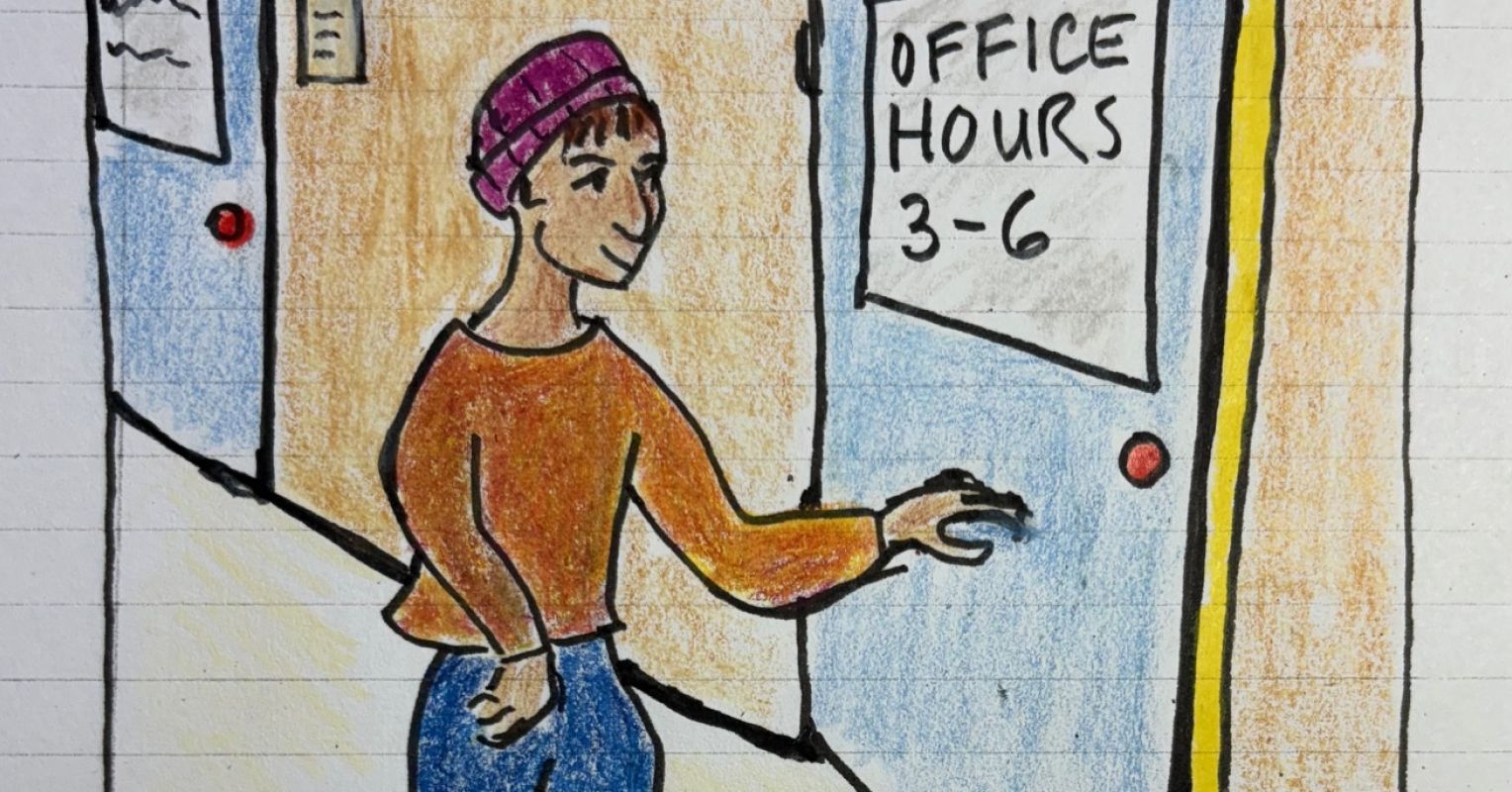
5. Faculty members, teaching assistants, study center staff, and department administration staff make up another big group that may include someone that your student can relate to. Your student will naturally feel more of a connection with some faculty than with others, and a professor who repeatedly asks students to visit their office hours should be listened to! They are asking for a connection with students.
6. Affinity (or interest) groups are often run by junior or senior students. These student organizations often give first year students the chance to meet someone outside their cohort. Many students make the mistake of only approaching groups that will look good on their resume. Please, please encourage students to look for groups that explore a quirky interest or just sound like fun!
Many students are hesitant to reach out and build relationships, but when they start to connect with different folks on campus it makes their whole college experience much richer, and their mental health will benefit. Having a circle of support is crucial for when times get tough, and challenges are inevitable in the normal cycle of a semester and year in college.