
Lithium-ion batteries are powering the clean energy future, from electric cars to grid storage.
However, Duke professor Lee Ferguson and colleagues discovered the production and disposal of many of these batteries are a troubling source of toxic chemical contamination.
“Clean energy is something we absolutely need to move towards in order to reduce global warming and reduce CO2 emissions, but we need to do this in a way that we don’t repeat mistakes in the past,” Ferguson said.
Forever chemicals or PFAS are compounds that persist in the human body and the environment.
PFAS – used in products from Teflon to takeout containers – have emerged as an international pollution problem, found in more than 300 drinking water systems in north Carolina and in the blood of 99% of Americans.
Researchers looked at a subclass of PFAS called bis-FASI that is used as an electrolyte in lithium-ion batteries. The chemical has similar properties to other forever chemicals, including GenX, that have been linked to health problems.
“We need to make sure that we’re not using regrettable compounds and materials that could prove problematic for the environment and public health down the line,” Ferguson said.
Researchers found the unregulated and little-researched bis-FASI near lithium battery manufacturing sites across the globe and leeching from landfills across the southeast, including in North Carolina.
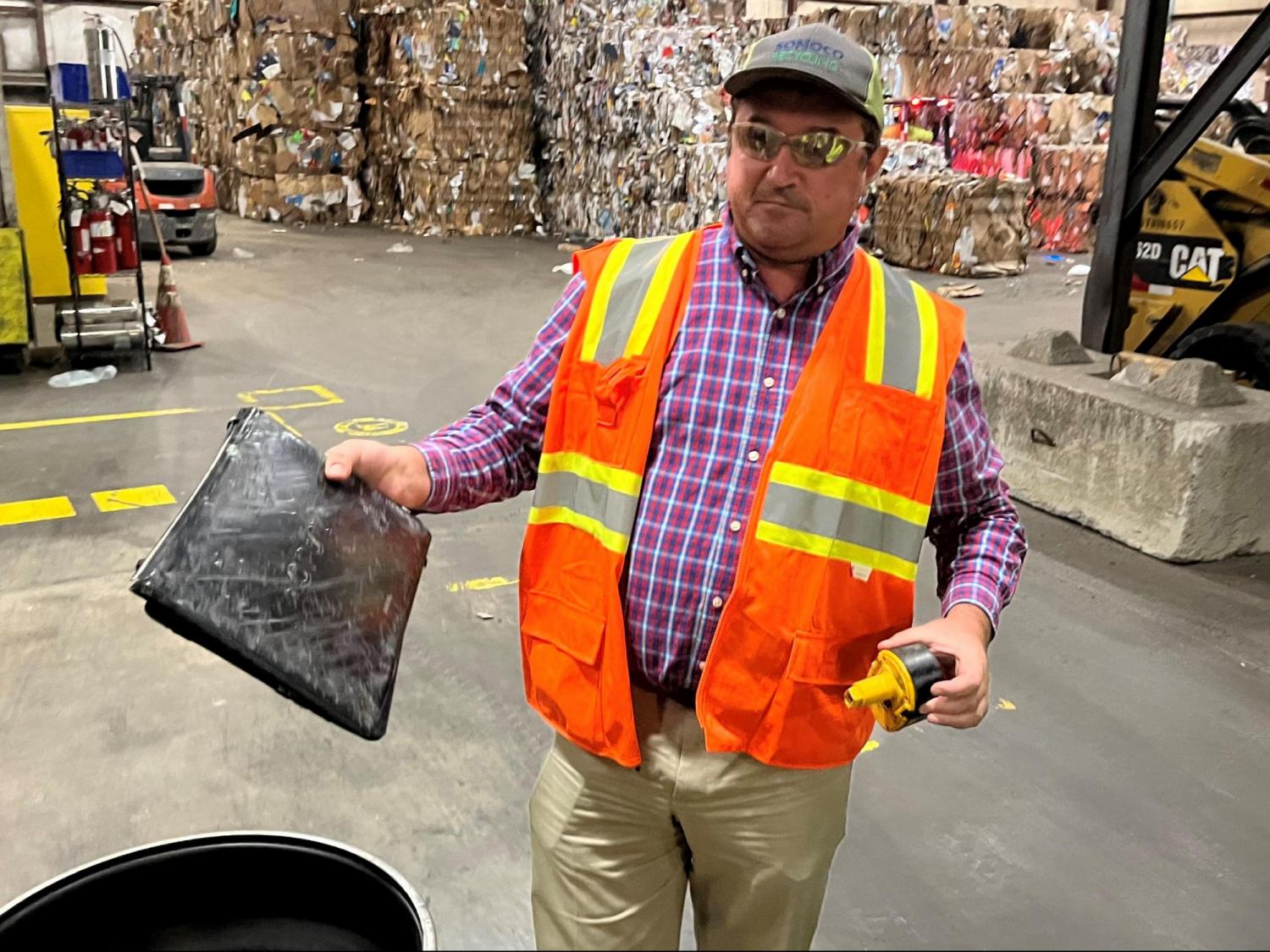
As little as 5% of lithium-ion batteries are recycled, though most of the components are reusable.
“Recycling has really taken off, but it needs to increase at a rate that is commensurate with the vast increase in use of energy storage and the production of the lithium ion batteries themselves,” Ferguson said.
Contamination from batteries adds to an already out-of-control pollution problem. PFAs chemicals are present in more than 300 drinking water systems in North Carolina.
“Hopefully people can take away from the study a cautionary tale, that we could do this differently, and that we have that opportunity to do it differently now,” said Texas Tech University’s Jennifer Guelfo, a co-author of the study.
Researchers are pushing for more research into battery components and more responsibility from cradle to grave, as the deployment of clean energy technology ramps up.
Trust this device for 30 days