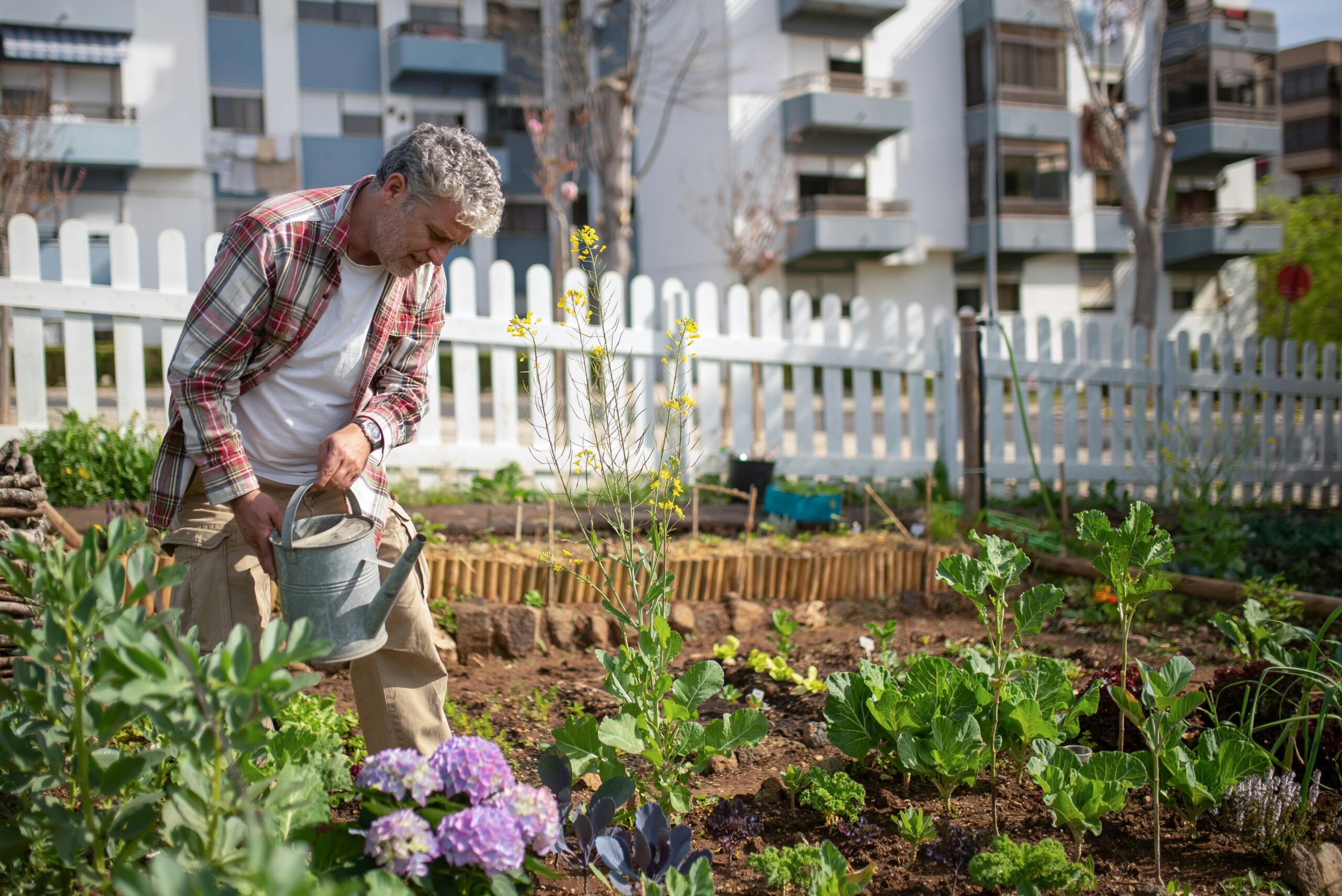
A backyard plot or shared neighborhood bed can become more than a garden. It can be a food source, a meeting place, and a quiet response to hunger. In places where groceries run low and pantries stretch thin, even a small harvest can matter. Gardens return control to the hands of those who tend them. They shorten the distance between soil and table. And they give people a way to care for each other without asking permission.
Fresh Produce Donations Can Fill the Gaps Others Miss
Soup kitchens and pantries often struggle to provide anything beyond shelf-stable basics. That’s where small, local gardens can intervene. A well-managed growing season creates
fresh produce donations that supply perishable nutrients—lettuce, cucumbers, herbs—that rarely survive the distribution maze of traditional food aid. Gardeners can align their planting schedules with pantry needs, harvesting what stores can’t buy in bulk. It’s not about replacing the system. It’s about patching the tears with purpose.
Gardens Bring Nutrients—Not Just Calories—to the Table
Hunger isn’t always visible. Malnourishment hides in plain sight behind processed meals and caloric band-aids. That’s why gardens are uniquely powerful tools to
help address food insecurity in under-resourced areas. Spinach, beets, bell peppers—foods that require little processing but deliver huge nutritional returns—thrive in home plots and shared beds. Giving away the surplus doesn’t just fight hunger; it fights its quiet cousin, deficiency. And for neighbors managing diabetes or heart conditions, these contributions aren’t just nice. They’re necessary.
Digital Invitations Can Pull People Together—If You Make It Easy
One barrier to community involvement? People don’t always know when things are happening—or feel like they belong. That’s where a simple
online invitation maker to set yourself apart can carry unexpected weight. Whether it’s a harvest potluck, planting day, or seed swap, the tone and clarity of the invite signal whether a space is truly open. Personalization matters. So does accessibility. A flyer posted at the laundromat or a textable link to a signup form can mean the difference between five attendees and fifty. And the more people who show up, the more the garden belongs to everyone.
Volunteering Gets People Involved—and Invested
One gardener can only grow so much. But five? Fifteen? That’s when a garden becomes a movement. Making that shift requires intention—and a plan to
recruit and retain local garden volunteers who aren’t already tapped out by other responsibilities. Clear roles help: harvesting crews, compost monitors, water schedulers. So does visibility—letting volunteers see where the food goes and who benefits. When people understand the real impact of their time, they tend to show up more often, and with more heart. And in the process, they begin to see themselves as essential, not optional.
Healing Doesn’t Always Look Like Therapy
There’s something sacred about kneeling in the dirt next to someone else, both of you quiet, hands busy. Especially in communities worn down by isolation, gardens offer an invitation—to engage, not escape. Research supports what many growers already know intuitively: inclusive gardening promotes social connectedness in communities. People who might not talk elsewhere share stories over raised beds. Those struggling with anxiety find rhythm in watering routines. Grief gets held gently in the cadence of weeding. This is not performance. It’s participation in something that feels alive and grounding, literally.
Surplus Can Seed Micro-Economies, Too
Not every tomato has to be given away. In fact, some of the most successful gardens build resilience by selling a portion of their produce—through roadside stands, CSA boxes, or partnerships with corner stores. These projects do more than raise money; they model how food systems can work for everyone, not just those with land. When done transparently, it can support local business through community produce in neighborhoods often excluded from economic development conversations. The revenue can fund more soil, better tools, or even stipends for youth who help with planting and harvesting.
Resilient Neighborhoods Don’t Wait for Crisis
Think of a garden not just as a food source, but as infrastructure. In the face of climate shocks, economic downturns, or social fragmentation, green spaces become organizing hubs. Seed libraries get shared when supply chains fail. Outdoor meeting areas form when indoor ones are unavailable. And when the unexpected hits, those with dirt under their nails tend to be the ones holding the neighborhood together. That’s why
gardens create resilient neighborhood relationships that last far beyond the growing season. They become memory spaces, organizing platforms, and networks of mutual aid disguised as cabbage patches.
A garden is not just where food grows—it’s where people remember they can act. Feeding others, easing strain, showing up with your hands full instead of empty—these are civic gestures. No budget required. Just some dirt, a few seeds, and the willingness to give part of the harvest away.
Explore the path to a more just and peaceful society with invōk.io, where you can engage with impactful content, join meaningful campaigns, and make your voice heard.